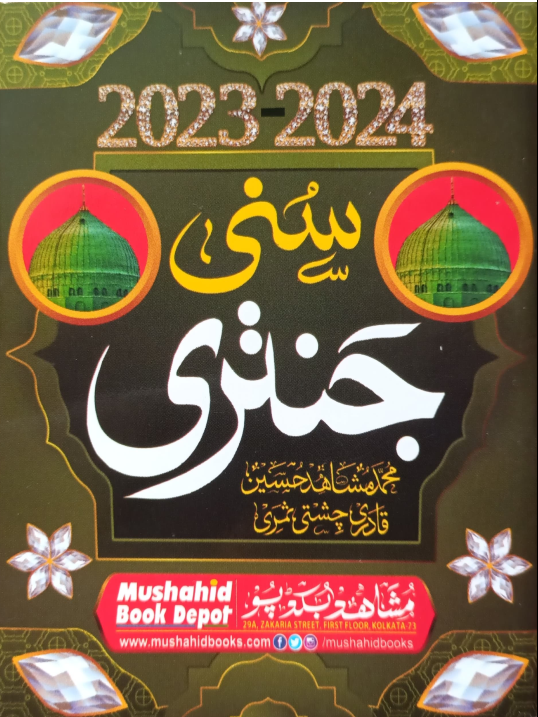
FAIZ ALAM JANTRI 2024 FREE DOWNLOAD PDF

SUNNI FAIZ ALAM JANTRI 2024 FREE DOWNLOAD PDF

अब उपलब्ध है फैज आलम जंत्री 2024 मुफ्त डाउनलोड पीडीएफ

Faiz-e-Alam Jantari(2024) فیض عالم جنتری (2024)

kashif Book centre

AvailAble Now


SUNNI JANTRI 2024 FREE READ AND DOWNLOAD PDF

SUNNI JANTRI 2024 FREE READ AND DOWNLOAD PDF

IFTIKHAR BOOK DEPOT ISLAMPURA LAHORE

 
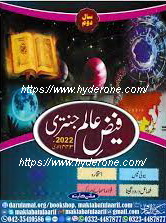
Download Calendar 2022 in Urdu today with Hijri, Islamic and Punjabi history. This beautiful calendar contains all the events of Punjabi calendar, Sikh calendar, Imamia calendar and Islamic calendar. Check out the popular Imamia Calendar 2022 today with the date of Desi month and Punjabi calendar online today.
Like the paid version of the Imamia Calendar 2022, this free Imamia Calendar 2022 pdf contains great information for the nation and details of important events / calendars that provide upcoming events in your cities and past events. You can view today’s Punjabi Desi History, Hijri / Islamic History as well as today’s Routine English / Gregorian History.
There are many Ism-e Azam in this shia  jantri. You can follow and recite any dua and “wird.” You can also learn about the benefits of reciting specific “surat.” 2022 updated version is  published. You’ll be able to download official 2022 version jantri by clicking on download button. Don’t worry it will be available in the market as well as here. So, bookmark this page on your browser and visit to check the update.  You can download or read online here. Wait is over to download new version of this jantri.
There are many “great names” in this Shia Muslim calendar. You can follow and recite any prayer and “Word”. You can also learn about the benefits of reciting specific “suras / verses”. The latest version of 2022 has not been released yet but it will be available here soon. You will be able to download the 2022 version of the generator by clicking on the download button. Don’t worry, it will be available in the market and here too. So, bookmark this page on your browser and visit to check for updates. But here the Imamia calendar 2022 has been shared. You can download or read online from here. The wait to download the latest version of this calendar is over.


YOU CAN DOWNLOAD SUNNI FAIZ ALAM JANTRI 2024


SUNNI JANTRI 2024 FREE READ AND DOWNLOAD PDF


Christian Perspectives on Marriage A Discussion Document Author Presbyterian Church of Aotearoa New Zealand

Christian Perspectives on Marriage A Discussion Document Author Presbyterian Church of Aotearoa New Zealand

Christian Perspectives on Marriage A Discussion Document Author Presbyterian Church of Aotearoa New Zealand


YOU CAN DOWNLOAD

Christianity is an Abrahamic monotheistic religion based on the life and teachings of Jesus of Nazareth. It is the world’s largest religion, with about 2.8 billion followers, representing one-third of the global population.[1][2] Its adherents, known as Christians, make up a majority of the population in 157 countries and territories,[3] and believe that Jesus is the Son of God, whose coming as the messiah was prophesied in the Hebrew Bible (called the Old Testament in Christianity) and chronicled in the New Testament.[4]

Christianity began as a Second Temple Judaic sect in the 1st century Hellenistic Judaism in the Roman province of Judea. Jesus’ apostles and their followers spread around the Levant, Europe, Anatolia, Mesopotamia, the South Caucasus, Egypt, and Ethiopia, despite initial persecution. It soon attracted gentile God-fearers, which led to a departure from Jewish customs, and, after the Fall of Jerusalem, AD 70 which ended the Temple-based Judaism, Christianity slowly separated from Judaism. Emperor Constantine the Great decriminalized Christianity in the Roman Empire by the Edict of Milan (313), later convening the Council of Nicaea (325) where Early Christianity was consolidated into what would become the State church of the Roman Empire (380). The early history of Christianity’s united church before major schisms is sometimes referred to as the “Great Church” (though divergent sects existed at the same time, including Gnostics, Marcionites, and Jewish Christians). The Church of the East split after the Council of Ephesus (431) and Oriental Orthodoxy split after the Council of Chalcedon (451) over differences in Christology,[5] while the Eastern Orthodox Church and the Catholic Church separated in the East–West Schism (1054), especially over the authority of the bishop of Rome. Protestantism split in numerous denominations from the Catholic Church in the Reformation era (16th century) over theological and ecclesiological disputes, most predominantly on the issue of justification and the primacy of the bishop of Rome. Christianity played a prominent role in the development of Western civilization, particularly in Europe from late antiquity and the Middle Ages.[6][7][8][9] Following the Age of Discovery (15th–17th century), Christianity was spread into the Americas, Oceania, sub-Saharan Africa, and the rest of the world via missionary work.[10][11][12]

Christianity remains culturally diverse in its Western and Eastern branches, as well as in its doctrines concerning justification and the nature of salvation, ecclesiology, ordination, and Christology. The creeds of various Christian denominations generally hold in common Jesus as the Son of God—the Logos incarnated—who ministered, suffered, and died on a cross, but rose from the dead for the salvation of mankind; and referred to as the gospel, meaning the “good news”. Describing Jesus’ life and teachings are the four canonical gospels of Matthew, Mark, Luke and John, with the Old Testament as the gospel’s respected background.

The four largest branches of Christianity are the Catholic Church (1.3 billion/50.1%), Protestantism (920 million/36.7%), the Eastern Orthodox Church (230 million), and the Oriental Orthodox churches (62 million) (Orthodox churches combined at 11.9%),[13][14] though thousands of smaller church communities exist despite efforts toward unity (ecumenism).[15] Despite a decline in adherence in the West, Christianity remains the dominant religion in the region, with about 70% of that population identifying as Christian.[16] Christianity is growing in Africa and Asia, the world’s most populous continents.[17] Christians remain persecuted in some regions of the world, especially in the Middle East, North Africa, East Asia, and South Asia.[18][19]

From Wikipedia, the free encyclopedia


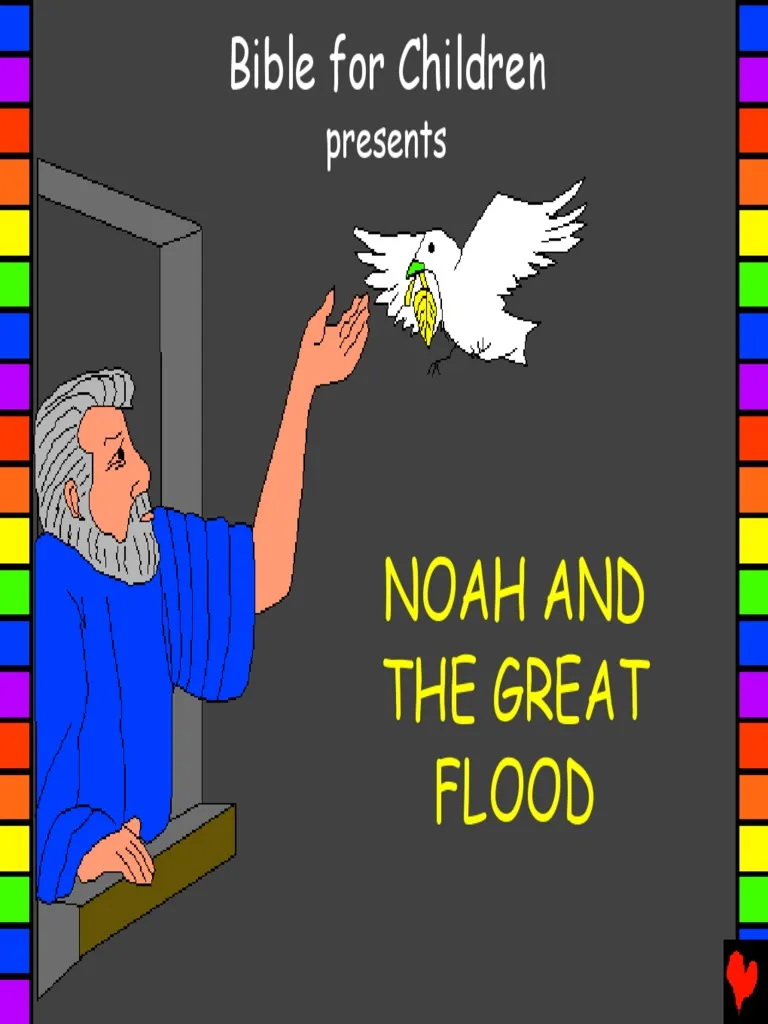
Noah and the Great Flood English Author Edward Hughes

Noah and the Great Flood English Author Edward Hughes

Noah and the Great Flood English Author Edward Hughes


YOU CAN DOWNLOAD

Christianity is an Abrahamic monotheistic religion based on the life and teachings of Jesus of Nazareth. It is the world’s largest religion, with about 2.8 billion followers, representing one-third of the global population.[1][2] Its adherents, known as Christians, make up a majority of the population in 157 countries and territories,[3] and believe that Jesus is the Son of God, whose coming as the messiah was prophesied in the Hebrew Bible (called the Old Testament in Christianity) and chronicled in the New Testament.[4]

Christianity began as a Second Temple Judaic sect in the 1st century Hellenistic Judaism in the Roman province of Judea. Jesus’ apostles and their followers spread around the Levant, Europe, Anatolia, Mesopotamia, the South Caucasus, Egypt, and Ethiopia, despite initial persecution. It soon attracted gentile God-fearers, which led to a departure from Jewish customs, and, after the Fall of Jerusalem, AD 70 which ended the Temple-based Judaism, Christianity slowly separated from Judaism. Emperor Constantine the Great decriminalized Christianity in the Roman Empire by the Edict of Milan (313), later convening the Council of Nicaea (325) where Early Christianity was consolidated into what would become the State church of the Roman Empire (380). The early history of Christianity’s united church before major schisms is sometimes referred to as the “Great Church” (though divergent sects existed at the same time, including Gnostics, Marcionites, and Jewish Christians). The Church of the East split after the Council of Ephesus (431) and Oriental Orthodoxy split after the Council of Chalcedon (451) over differences in Christology,[5] while the Eastern Orthodox Church and the Catholic Church separated in the East–West Schism (1054), especially over the authority of the bishop of Rome. Protestantism split in numerous denominations from the Catholic Church in the Reformation era (16th century) over theological and ecclesiological disputes, most predominantly on the issue of justification and the primacy of the bishop of Rome. Christianity played a prominent role in the development of Western civilization, particularly in Europe from late antiquity and the Middle Ages.[6][7][8][9] Following the Age of Discovery (15th–17th century), Christianity was spread into the Americas, Oceania, sub-Saharan Africa, and the rest of the world via missionary work.[10][11][12]

Christianity remains culturally diverse in its Western and Eastern branches, as well as in its doctrines concerning justification and the nature of salvation, ecclesiology, ordination, and Christology. The creeds of various Christian denominations generally hold in common Jesus as the Son of God—the Logos incarnated—who ministered, suffered, and died on a cross, but rose from the dead for the salvation of mankind; and referred to as the gospel, meaning the “good news”. Describing Jesus’ life and teachings are the four canonical gospels of Matthew, Mark, Luke and John, with the Old Testament as the gospel’s respected background.

The four largest branches of Christianity are the Catholic Church (1.3 billion/50.1%), Protestantism (920 million/36.7%), the Eastern Orthodox Church (230 million), and the Oriental Orthodox churches (62 million) (Orthodox churches combined at 11.9%),[13][14] though thousands of smaller church communities exist despite efforts toward unity (ecumenism).[15] Despite a decline in adherence in the West, Christianity remains the dominant religion in the region, with about 70% of that population identifying as Christian.[16] Christianity is growing in Africa and Asia, the world’s most populous continents.[17] Christians remain persecuted in some regions of the world, especially in the Middle East, North Africa, East Asia, and South Asia.[18][19]

From Wikipedia, the free encyclopedia


How To Know The Will Of God Author John Edmiston

How To Know The Will Of God Autor John Edmiston

How To Know The Will Of God Autor John Edmiston


YOU CAN DOWNLOAD

Christianity is an Abrahamic monotheistic religion based on the life and teachings of Jesus of Nazareth. It is the world’s largest religion, with about 2.8 billion followers, representing one-third of the global population.[1][2] Its adherents, known as Christians, make up a majority of the population in 157 countries and territories,[3] and believe that Jesus is the Son of God, whose coming as the messiah was prophesied in the Hebrew Bible (called the Old Testament in Christianity) and chronicled in the New Testament.[4]

Christianity began as a Second Temple Judaic sect in the 1st century Hellenistic Judaism in the Roman province of Judea. Jesus’ apostles and their followers spread around the Levant, Europe, Anatolia, Mesopotamia, the South Caucasus, Egypt, and Ethiopia, despite initial persecution. It soon attracted gentile God-fearers, which led to a departure from Jewish customs, and, after the Fall of Jerusalem, AD 70 which ended the Temple-based Judaism, Christianity slowly separated from Judaism. Emperor Constantine the Great decriminalized Christianity in the Roman Empire by the Edict of Milan (313), later convening the Council of Nicaea (325) where Early Christianity was consolidated into what would become the State church of the Roman Empire (380). The early history of Christianity’s united church before major schisms is sometimes referred to as the “Great Church” (though divergent sects existed at the same time, including Gnostics, Marcionites, and Jewish Christians). The Church of the East split after the Council of Ephesus (431) and Oriental Orthodoxy split after the Council of Chalcedon (451) over differences in Christology,[5] while the Eastern Orthodox Church and the Catholic Church separated in the East–West Schism (1054), especially over the authority of the bishop of Rome. Protestantism split in numerous denominations from the Catholic Church in the Reformation era (16th century) over theological and ecclesiological disputes, most predominantly on the issue of justification and the primacy of the bishop of Rome. Christianity played a prominent role in the development of Western civilization, particularly in Europe from late antiquity and the Middle Ages.[6][7][8][9] Following the Age of Discovery (15th–17th century), Christianity was spread into the Americas, Oceania, sub-Saharan Africa, and the rest of the world via missionary work.[10][11][12]

Christianity remains culturally diverse in its Western and Eastern branches, as well as in its doctrines concerning justification and the nature of salvation, ecclesiology, ordination, and Christology. The creeds of various Christian denominations generally hold in common Jesus as the Son of God—the Logos incarnated—who ministered, suffered, and died on a cross, but rose from the dead for the salvation of mankind; and referred to as the gospel, meaning the “good news”. Describing Jesus’ life and teachings are the four canonical gospels of Matthew, Mark, Luke and John, with the Old Testament as the gospel’s respected background.

The four largest branches of Christianity are the Catholic Church (1.3 billion/50.1%), Protestantism (920 million/36.7%), the Eastern Orthodox Church (230 million), and the Oriental Orthodox churches (62 million) (Orthodox churches combined at 11.9%),[13][14] though thousands of smaller church communities exist despite efforts toward unity (ecumenism).[15] Despite a decline in adherence in the West, Christianity remains the dominant religion in the region, with about 70% of that population identifying as Christian.[16] Christianity is growing in Africa and Asia, the world’s most populous continents.[17] Christians remain persecuted in some regions of the world, especially in the Middle East, North Africa, East Asia, and South Asia.[18][19]

From Wikipedia, the free encyclopedia


The Proverbs 31 Woman One Virtue at a Time Autor Courtney Josep

The Proverbs 31 Woman One Virtue at a Time Autor Courtney Josep

The Proverbs 31 Woman One Virtue at a Time Autor Courtney Josep


YOU CAN DOWNLOAD

Christianity is an Abrahamic monotheistic religion based on the life and teachings of Jesus of Nazareth. It is the world’s largest religion, with about 2.8 billion followers, representing one-third of the global population.[1][2] Its adherents, known as Christians, make up a majority of the population in 157 countries and territories,[3] and believe that Jesus is the Son of God, whose coming as the messiah was prophesied in the Hebrew Bible (called the Old Testament in Christianity) and chronicled in the New Testament.[4]

Christianity began as a Second Temple Judaic sect in the 1st century Hellenistic Judaism in the Roman province of Judea. Jesus’ apostles and their followers spread around the Levant, Europe, Anatolia, Mesopotamia, the South Caucasus, Egypt, and Ethiopia, despite initial persecution. It soon attracted gentile God-fearers, which led to a departure from Jewish customs, and, after the Fall of Jerusalem, AD 70 which ended the Temple-based Judaism, Christianity slowly separated from Judaism. Emperor Constantine the Great decriminalized Christianity in the Roman Empire by the Edict of Milan (313), later convening the Council of Nicaea (325) where Early Christianity was consolidated into what would become the State church of the Roman Empire (380). The early history of Christianity’s united church before major schisms is sometimes referred to as the “Great Church” (though divergent sects existed at the same time, including Gnostics, Marcionites, and Jewish Christians). The Church of the East split after the Council of Ephesus (431) and Oriental Orthodoxy split after the Council of Chalcedon (451) over differences in Christology,[5] while the Eastern Orthodox Church and the Catholic Church separated in the East–West Schism (1054), especially over the authority of the bishop of Rome. Protestantism split in numerous denominations from the Catholic Church in the Reformation era (16th century) over theological and ecclesiological disputes, most predominantly on the issue of justification and the primacy of the bishop of Rome. Christianity played a prominent role in the development of Western civilization, particularly in Europe from late antiquity and the Middle Ages.[6][7][8][9] Following the Age of Discovery (15th–17th century), Christianity was spread into the Americas, Oceania, sub-Saharan Africa, and the rest of the world via missionary work.[10][11][12]

Christianity remains culturally diverse in its Western and Eastern branches, as well as in its doctrines concerning justification and the nature of salvation, ecclesiology, ordination, and Christology. The creeds of various Christian denominations generally hold in common Jesus as the Son of God—the Logos incarnated—who ministered, suffered, and died on a cross, but rose from the dead for the salvation of mankind; and referred to as the gospel, meaning the “good news”. Describing Jesus’ life and teachings are the four canonical gospels of Matthew, Mark, Luke and John, with the Old Testament as the gospel’s respected background.

The four largest branches of Christianity are the Catholic Church (1.3 billion/50.1%), Protestantism (920 million/36.7%), the Eastern Orthodox Church (230 million), and the Oriental Orthodox churches (62 million) (Orthodox churches combined at 11.9%),[13][14] though thousands of smaller church communities exist despite efforts toward unity (ecumenism).[15] Despite a decline in adherence in the West, Christianity remains the dominant religion in the region, with about 70% of that population identifying as Christian.[16] Christianity is growing in Africa and Asia, the world’s most populous continents.[17] Christians remain persecuted in some regions of the world, especially in the Middle East, North Africa, East Asia, and South Asia.[18][19]

From Wikipedia, the free encyclopedia


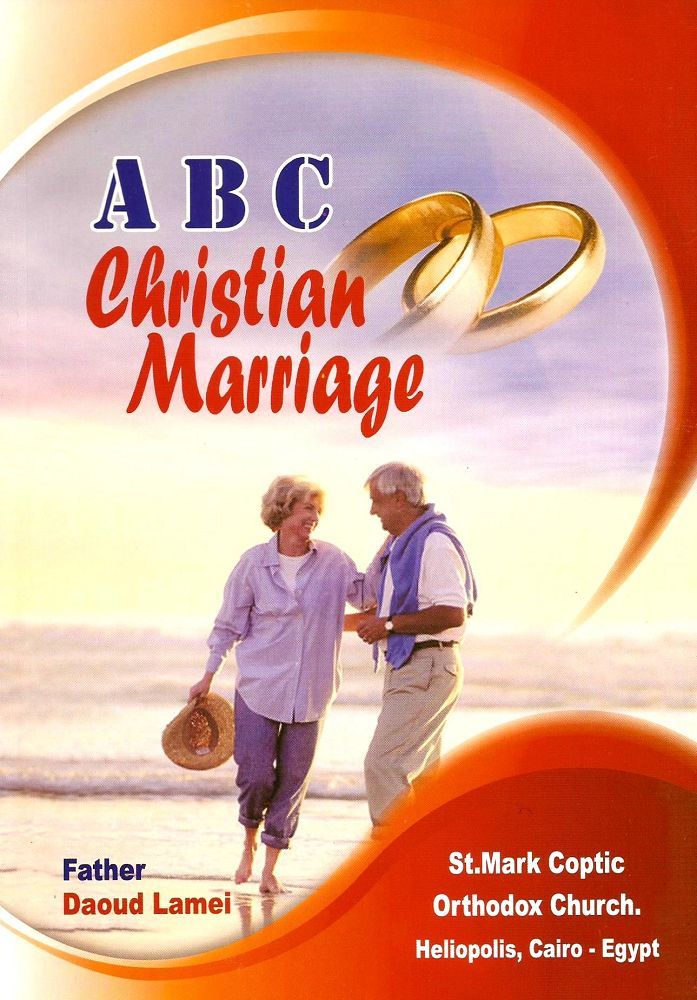
A B C Christian Marriage Author Father Daoud Lamei

A B C Christian Marriage Author Father Daoud Lamei

A B C Christian Marriage Author Father Daoud Lamei


YOU CAN DOWNLOAD

Christianity is an Abrahamic monotheistic religion based on the life and teachings of Jesus of Nazareth. It is the world’s largest religion, with about 2.8 billion followers, representing one-third of the global population.[1][2] Its adherents, known as Christians, make up a majority of the population in 157 countries and territories,[3] and believe that Jesus is the Son of God, whose coming as the messiah was prophesied in the Hebrew Bible (called the Old Testament in Christianity) and chronicled in the New Testament.[4]

Christianity began as a Second Temple Judaic sect in the 1st century Hellenistic Judaism in the Roman province of Judea. Jesus’ apostles and their followers spread around the Levant, Europe, Anatolia, Mesopotamia, the South Caucasus, Egypt, and Ethiopia, despite initial persecution. It soon attracted gentile God-fearers, which led to a departure from Jewish customs, and, after the Fall of Jerusalem, AD 70 which ended the Temple-based Judaism, Christianity slowly separated from Judaism. Emperor Constantine the Great decriminalized Christianity in the Roman Empire by the Edict of Milan (313), later convening the Council of Nicaea (325) where Early Christianity was consolidated into what would become the State church of the Roman Empire (380). The early history of Christianity’s united church before major schisms is sometimes referred to as the “Great Church” (though divergent sects existed at the same time, including Gnostics, Marcionites, and Jewish Christians). The Church of the East split after the Council of Ephesus (431) and Oriental Orthodoxy split after the Council of Chalcedon (451) over differences in Christology,[5] while the Eastern Orthodox Church and the Catholic Church separated in the East–West Schism (1054), especially over the authority of the bishop of Rome. Protestantism split in numerous denominations from the Catholic Church in the Reformation era (16th century) over theological and ecclesiological disputes, most predominantly on the issue of justification and the primacy of the bishop of Rome. Christianity played a prominent role in the development of Western civilization, particularly in Europe from late antiquity and the Middle Ages.[6][7][8][9] Following the Age of Discovery (15th–17th century), Christianity was spread into the Americas, Oceania, sub-Saharan Africa, and the rest of the world via missionary work.[10][11][12]

Christianity remains culturally diverse in its Western and Eastern branches, as well as in its doctrines concerning justification and the nature of salvation, ecclesiology, ordination, and Christology. The creeds of various Christian denominations generally hold in common Jesus as the Son of God—the Logos incarnated—who ministered, suffered, and died on a cross, but rose from the dead for the salvation of mankind; and referred to as the gospel, meaning the “good news”. Describing Jesus’ life and teachings are the four canonical gospels of Matthew, Mark, Luke and John, with the Old Testament as the gospel’s respected background.

The four largest branches of Christianity are the Catholic Church (1.3 billion/50.1%), Protestantism (920 million/36.7%), the Eastern Orthodox Church (230 million), and the Oriental Orthodox churches (62 million) (Orthodox churches combined at 11.9%),[13][14] though thousands of smaller church communities exist despite efforts toward unity (ecumenism).[15] Despite a decline in adherence in the West, Christianity remains the dominant religion in the region, with about 70% of that population identifying as Christian.[16] Christianity is growing in Africa and Asia, the world’s most populous continents.[17] Christians remain persecuted in some regions of the world, especially in the Middle East, North Africa, East Asia, and South Asia.[18][19]

From Wikipedia, the free encyclopedia


The Importance of Love Author John Edmiston

The Importance of Love Autor John Edmiston

Foundations Of Faith Autor Harvestime International Institute


YOU CAN DOWNLOAD Foundations Of Faith Autor Harvestime International Institute

Christianity is an Abrahamic monotheistic religion based on the life and teachings of Jesus of Nazareth. It is the world’s largest religion, with about 2.8 billion followers, representing one-third of the global population.[1][2] Its adherents, known as Christians, make up a majority of the population in 157 countries and territories,[3] and believe that Jesus is the Son of God, whose coming as the messiah was prophesied in the Hebrew Bible (called the Old Testament in Christianity) and chronicled in the New Testament.[4]

Christianity began as a Second Temple Judaic sect in the 1st century Hellenistic Judaism in the Roman province of Judea. Jesus’ apostles and their followers spread around the Levant, Europe, Anatolia, Mesopotamia, the South Caucasus, Egypt, and Ethiopia, despite initial persecution. It soon attracted gentile God-fearers, which led to a departure from Jewish customs, and, after the Fall of Jerusalem, AD 70 which ended the Temple-based Judaism, Christianity slowly separated from Judaism. Emperor Constantine the Great decriminalized Christianity in the Roman Empire by the Edict of Milan (313), later convening the Council of Nicaea (325) where Early Christianity was consolidated into what would become the State church of the Roman Empire (380). The early history of Christianity’s united church before major schisms is sometimes referred to as the “Great Church” (though divergent sects existed at the same time, including Gnostics, Marcionites, and Jewish Christians). The Church of the East split after the Council of Ephesus (431) and Oriental Orthodoxy split after the Council of Chalcedon (451) over differences in Christology,[5] while the Eastern Orthodox Church and the Catholic Church separated in the East–West Schism (1054), especially over the authority of the bishop of Rome. Protestantism split in numerous denominations from the Catholic Church in the Reformation era (16th century) over theological and ecclesiological disputes, most predominantly on the issue of justification and the primacy of the bishop of Rome. Christianity played a prominent role in the development of Western civilization, particularly in Europe from late antiquity and the Middle Ages.[6][7][8][9] Following the Age of Discovery (15th–17th century), Christianity was spread into the Americas, Oceania, sub-Saharan Africa, and the rest of the world via missionary work.[10][11][12]

Christianity remains culturally diverse in its Western and Eastern branches, as well as in its doctrines concerning justification and the nature of salvation, ecclesiology, ordination, and Christology. The creeds of various Christian denominations generally hold in common Jesus as the Son of God—the Logos incarnated—who ministered, suffered, and died on a cross, but rose from the dead for the salvation of mankind; and referred to as the gospel, meaning the “good news”. Describing Jesus’ life and teachings are the four canonical gospels of Matthew, Mark, Luke and John, with the Old Testament as the gospel’s respected background.

The four largest branches of Christianity are the Catholic Church (1.3 billion/50.1%), Protestantism (920 million/36.7%), the Eastern Orthodox Church (230 million), and the Oriental Orthodox churches (62 million) (Orthodox churches combined at 11.9%),[13][14] though thousands of smaller church communities exist despite efforts toward unity (ecumenism).[15] Despite a decline in adherence in the West, Christianity remains the dominant religion in the region, with about 70% of that population identifying as Christian.[16] Christianity is growing in Africa and Asia, the world’s most populous continents.[17] Christians remain persecuted in some regions of the world, especially in the Middle East, North Africa, East Asia, and South Asia.[18][19]

From Wikipedia, the free encyclopedia


Walking in the Spirit Author John Edmiston Eternity Christian Fellowship 2009

Walking in the Spirit Autor John Edmiston Eternity Christian Fellowship 2009

Foundations Of Faith Autor Harvestime International Institute


YOU CAN DOWNLOAD Foundations Of Faith Autor Harvestime International Institute

Christianity is an Abrahamic monotheistic religion based on the life and teachings of Jesus of Nazareth. It is the world’s largest religion, with about 2.8 billion followers, representing one-third of the global population.[1][2] Its adherents, known as Christians, make up a majority of the population in 157 countries and territories,[3] and believe that Jesus is the Son of God, whose coming as the messiah was prophesied in the Hebrew Bible (called the Old Testament in Christianity) and chronicled in the New Testament.[4]

Christianity began as a Second Temple Judaic sect in the 1st century Hellenistic Judaism in the Roman province of Judea. Jesus’ apostles and their followers spread around the Levant, Europe, Anatolia, Mesopotamia, the South Caucasus, Egypt, and Ethiopia, despite initial persecution. It soon attracted gentile God-fearers, which led to a departure from Jewish customs, and, after the Fall of Jerusalem, AD 70 which ended the Temple-based Judaism, Christianity slowly separated from Judaism. Emperor Constantine the Great decriminalized Christianity in the Roman Empire by the Edict of Milan (313), later convening the Council of Nicaea (325) where Early Christianity was consolidated into what would become the State church of the Roman Empire (380). The early history of Christianity’s united church before major schisms is sometimes referred to as the “Great Church” (though divergent sects existed at the same time, including Gnostics, Marcionites, and Jewish Christians). The Church of the East split after the Council of Ephesus (431) and Oriental Orthodoxy split after the Council of Chalcedon (451) over differences in Christology,[5] while the Eastern Orthodox Church and the Catholic Church separated in the East–West Schism (1054), especially over the authority of the bishop of Rome. Protestantism split in numerous denominations from the Catholic Church in the Reformation era (16th century) over theological and ecclesiological disputes, most predominantly on the issue of justification and the primacy of the bishop of Rome. Christianity played a prominent role in the development of Western civilization, particularly in Europe from late antiquity and the Middle Ages.[6][7][8][9] Following the Age of Discovery (15th–17th century), Christianity was spread into the Americas, Oceania, sub-Saharan Africa, and the rest of the world via missionary work.[10][11][12]

Christianity remains culturally diverse in its Western and Eastern branches, as well as in its doctrines concerning justification and the nature of salvation, ecclesiology, ordination, and Christology. The creeds of various Christian denominations generally hold in common Jesus as the Son of God—the Logos incarnated—who ministered, suffered, and died on a cross, but rose from the dead for the salvation of mankind; and referred to as the gospel, meaning the “good news”. Describing Jesus’ life and teachings are the four canonical gospels of Matthew, Mark, Luke and John, with the Old Testament as the gospel’s respected background.

The four largest branches of Christianity are the Catholic Church (1.3 billion/50.1%), Protestantism (920 million/36.7%), the Eastern Orthodox Church (230 million), and the Oriental Orthodox churches (62 million) (Orthodox churches combined at 11.9%),[13][14] though thousands of smaller church communities exist despite efforts toward unity (ecumenism).[15] Despite a decline in adherence in the West, Christianity remains the dominant religion in the region, with about 70% of that population identifying as Christian.[16] Christianity is growing in Africa and Asia, the world’s most populous continents.[17] Christians remain persecuted in some regions of the world, especially in the Middle East, North Africa, East Asia, and South Asia.[18][19]

From Wikipedia, the free encyclopedia


Leaven-Like Evangelism Author Harvestime International Institute

Leaven-Like Evangelism Autor Harvestime International Institute

Foundations Of Faith Autor Harvestime International Institute


YOU CAN DOWNLOAD Foundations Of Faith Autor Harvestime International Institute

Christianity is an Abrahamic monotheistic religion based on the life and teachings of Jesus of Nazareth. It is the world’s largest religion, with about 2.8 billion followers, representing one-third of the global population.[1][2] Its adherents, known as Christians, make up a majority of the population in 157 countries and territories,[3] and believe that Jesus is the Son of God, whose coming as the messiah was prophesied in the Hebrew Bible (called the Old Testament in Christianity) and chronicled in the New Testament.[4]

Christianity began as a Second Temple Judaic sect in the 1st century Hellenistic Judaism in the Roman province of Judea. Jesus’ apostles and their followers spread around the Levant, Europe, Anatolia, Mesopotamia, the South Caucasus, Egypt, and Ethiopia, despite initial persecution. It soon attracted gentile God-fearers, which led to a departure from Jewish customs, and, after the Fall of Jerusalem, AD 70 which ended the Temple-based Judaism, Christianity slowly separated from Judaism. Emperor Constantine the Great decriminalized Christianity in the Roman Empire by the Edict of Milan (313), later convening the Council of Nicaea (325) where Early Christianity was consolidated into what would become the State church of the Roman Empire (380). The early history of Christianity’s united church before major schisms is sometimes referred to as the “Great Church” (though divergent sects existed at the same time, including Gnostics, Marcionites, and Jewish Christians). The Church of the East split after the Council of Ephesus (431) and Oriental Orthodoxy split after the Council of Chalcedon (451) over differences in Christology,[5] while the Eastern Orthodox Church and the Catholic Church separated in the East–West Schism (1054), especially over the authority of the bishop of Rome. Protestantism split in numerous denominations from the Catholic Church in the Reformation era (16th century) over theological and ecclesiological disputes, most predominantly on the issue of justification and the primacy of the bishop of Rome. Christianity played a prominent role in the development of Western civilization, particularly in Europe from late antiquity and the Middle Ages.[6][7][8][9] Following the Age of Discovery (15th–17th century), Christianity was spread into the Americas, Oceania, sub-Saharan Africa, and the rest of the world via missionary work.[10][11][12]

Christianity remains culturally diverse in its Western and Eastern branches, as well as in its doctrines concerning justification and the nature of salvation, ecclesiology, ordination, and Christology. The creeds of various Christian denominations generally hold in common Jesus as the Son of God—the Logos incarnated—who ministered, suffered, and died on a cross, but rose from the dead for the salvation of mankind; and referred to as the gospel, meaning the “good news”. Describing Jesus’ life and teachings are the four canonical gospels of Matthew, Mark, Luke and John, with the Old Testament as the gospel’s respected background.

The four largest branches of Christianity are the Catholic Church (1.3 billion/50.1%), Protestantism (920 million/36.7%), the Eastern Orthodox Church (230 million), and the Oriental Orthodox churches (62 million) (Orthodox churches combined at 11.9%),[13][14] though thousands of smaller church communities exist despite efforts toward unity (ecumenism).[15] Despite a decline in adherence in the West, Christianity remains the dominant religion in the region, with about 70% of that population identifying as Christian.[16] Christianity is growing in Africa and Asia, the world’s most populous continents.[17] Christians remain persecuted in some regions of the world, especially in the Middle East, North Africa, East Asia, and South Asia.[18][19]

From Wikipedia, the free encyclopedia